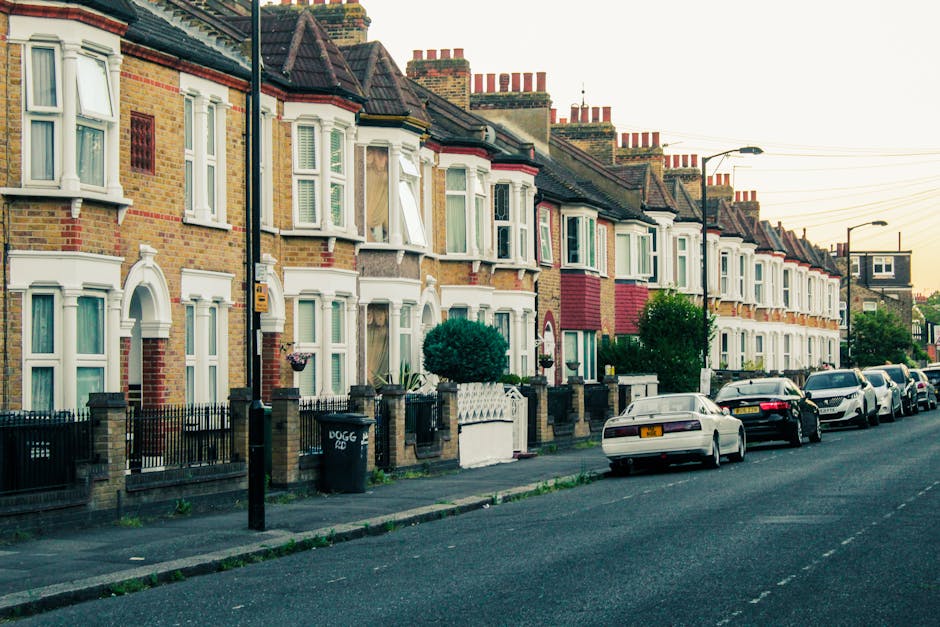
Dartmouth Park Road carpet cleaning guide for Victorian homes
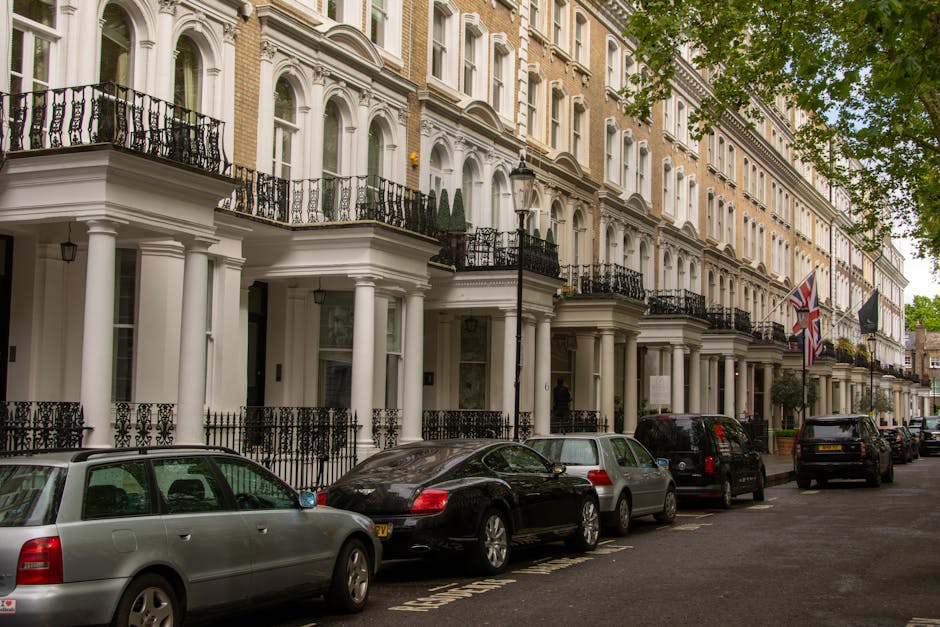
Victorian homes on Dartmouth Park Road have a lot going for them: high ceilings, old timber, original features, and carpets that often carry decades of character. They can also be a little tricky. Dense pile, age-worn fibres, underlay that has seen better days, and the kind of dust that settles deep into older rooms all change how cleaning should be done. This Dartmouth Park Road carpet cleaning guide for Victorian homes is written to help you make sensible, confident decisions-whether you are trying to freshen a hallway runner, tackle a stubborn stain, or plan a full home clean without risking damage.
In short: older carpets need care, not guesswork. Use the right method, avoid over-wetting, and pay attention to ventilation, fibre type, and the condition of the subfloor. Do that well, and you can lift the appearance of the whole room without flattening the pile or leaving behind a damp smell that hangs around for days. Let's face it, nobody wants that.
Why Dartmouth Park Road carpet cleaning guide for Victorian homes Matters
Victorian properties are not just older versions of modern houses. They were built in a different way, often with more breathable materials, uneven floors, and rooms that have been adapted over time. That means carpet cleaning is not a simple one-size-fits-all task. A carpet laid over original floorboards may behave very differently from one sitting over a modern insulated subfloor. Add in sash windows, draughts, and long-use patterns in hallways or front rooms, and you start to see why a careful approach matters.
On Dartmouth Park Road, many homes have a mix of original detail and modern updates. A living room might have a newer wool carpet, while the hallway has an older synthetic runner with deep traffic marks. Or a bedroom may have a thick underlay that traps dust but dries slowly if over-cleaned. The wrong method can lead to browning, shrinkage, or a sour, lingering smell. None of that is ideal when you are trying to preserve the character of a house.
The guide matters because it helps you protect both appearance and fabric life. A thoughtful clean can:
- reduce ground-in dirt without stressing the fibres
- remove everyday grime that dulls older carpets
- help with allergy management by lifting dust and fine debris
- refresh rooms before guests, renting, or sale photographs
- spot early signs of wear, mould risk, or previous cleaning damage
If you are also looking at the wider condition of your home textiles, it can make sense to pair carpet care with curtain cleaning or upholstery cleaning, especially in rooms where dust builds quietly over time. Soft furnishings tend to age together. You know the type of room: one where sunlight catches the dust in the afternoon and suddenly the whole place seems a bit tired. A proper clean can change that fast.
How Dartmouth Park Road carpet cleaning guide for Victorian homes Works
Good carpet cleaning for Victorian homes begins with inspection, not machines. First comes the fibre check. Wool, wool blends, polypropylene, nylon, and older natural-fibre carpets all respond differently to moisture and agitation. Then comes the setting check: Is the carpet fixed or loose? Is there a visible seam? Any signs of fraying at the edges? Any previous patch repairs? These details shape the method.
After that, the cleaner should test a small hidden area. This is especially important where colourfastness is uncertain or where a carpet may have been cleaned badly before. A tiny patch test can reveal dye transfer, fibre distortion, or a residue issue. A five-minute test can save a five-day headache. Truth be told, that small step gets skipped far too often.
The main cleaning process usually follows a sequence like this:
- Dry soil removal through careful vacuuming, including edges and corners.
- Pre-treatment of spots, traffic lanes, and marked areas.
- Controlled cleaning using the most suitable method for the fibre and age of the carpet.
- Managed extraction or residue removal so the carpet is not left sticky.
- Fast, sensible drying with airflow and ventilation.
- Final grooming or pile alignment where appropriate.
For many Victorian homes, low-moisture or carefully managed steam-based work is often preferred over heavy soaking, but the best option depends on the condition of the carpet and the room. If you are considering a professional approach, the service overview at carpet cleaning is a useful starting point, and steam carpet cleaning may be suitable where deep sanitising and fibre-safe extraction are the right fit.
One thing to remember: Victorian homes can hold moisture longer than modern flats because of room layout, older plaster, and less direct airflow. That does not mean cleaning should be avoided. It just means drying time and technique matter more than they would in a newer build.
Key Benefits and Practical Advantages
When a carpet in an older home is cleaned properly, the results are more than cosmetic. Yes, the room looks brighter. But there are also day-to-day benefits that people notice almost immediately.
Better room feel. A well-cleaned carpet softens the whole atmosphere of a room. Victorian interiors can already feel warm and lived-in; clean carpets stop that from slipping into "tired and dusty."
Improved smell. Carpets absorb everyday odours from cooking, pets, wet shoes, and general occupancy. Old homes can trap those smells quietly. A good clean helps reset the room without masking the issue with perfume-heavy products.
Longer carpet life. Dirt acts like fine grit. Every step presses it deeper into the fibres. Removing that grit extends the usable life of the carpet, especially in hallways and stair landings where wear is concentrated.
Better stain control. Fresh spills are one thing. Older, set-in marks are another. Timely treatment can prevent a stain from becoming permanent, and a specialist like stain removal can be especially useful for tricky marks that have already settled in.
Less disruption than replacement. In a Victorian home, replacing carpet can expose uneven floors, damaged grippers, or underlay issues that then become a bigger project. Cleaning is often the smarter first step.
Expert summary: In older Dartmouth Park Road properties, the best carpet clean is usually the one that respects the building as much as the carpet. Go gently, dry properly, and do not rush the process. The result lasts longer and looks better too.
Who This Is For and When It Makes Sense
This guide is for anyone living in, buying, renting, or managing a Victorian home around Dartmouth Park Road who wants carpets cleaned without unnecessary risk. That includes homeowners, landlords, letting agents, and families who simply want a fresher house. It also helps if you are preparing a room for decorating and need to clear the carpet first.
It makes sense to clean when:
- the carpet looks dull, flat, or grey at the traffic lines
- you can smell stale dust, pet odour, or damp after a rainy week
- there are spots from wine, tea, mud, or food
- you are moving in or out of a Victorian property
- the carpet has not been cleaned properly in a long time
- you are trying to manage allergens or reduce visible dust
It is also worth thinking beyond carpets alone. In older homes, dirt often travels. It settles on rugs, soft seating, and bedding. If the whole room feels dusty, you may want to look at rug cleaning, sofa cleaning, or even mattress cleaning if the bedroom has that heavy, close-in feel that old houses sometimes get by winter.
One small real-world observation: many people only notice how dirty the carpet was after it dries and the light catches the fibres properly. It can be a bit of a shock. But a good kind of shock.
Step-by-Step Guidance
If you want to clean a Victorian-home carpet sensibly, follow a process rather than jumping straight into spot treatment. The order matters.
1. Inspect the carpet and room
Check for loose seams, lifting edges, stains, colour fade, moth damage, and signs of damp. In a Victorian home, also look at the skirting line and corners. Dust and soot-like residue often collect there first.
2. Vacuum thoroughly and slowly
Use a vacuum with strong suction and a clean filter. Go slowly. Quick passes only skim the top. If the carpet is thick or has a lot of pile movement, vacuum in different directions to lift the fibres and dislodge trapped grit.
3. Identify stain types before treating them
Not all marks should be treated the same way. A food stain, a pet urine patch, and an old water mark each need different attention. If the wrong product is used, you can lock the stain in or spread it wider. For pet-related issues, pet stain odour removal is the safer route than guessing with a supermarket spray and hoping for the best. Hope is not a method, sadly.
4. Test a hidden section
Any liquid treatment, no matter how mild, should be tested first. This matters especially for older wool or dyed carpets. Check for colour movement, texture change, or browning once dry.
5. Choose the lightest effective cleaning method
Use the least aggressive method that still gets the job done. In many Victorian homes, a controlled steam or hot water extraction process may be suitable if managed carefully, but low-moisture cleaning can be better for delicate or slow-drying rooms. The key is controlled application, not soaking.
6. Work the room in sections
Section-by-section cleaning helps avoid missed spots and overlapping wet areas. It also makes drying more even. Hallways and stairs often need extra attention because they hold the most dirt and dry fastest if ventilated well.
7. Extract or remove residue properly
Leftover detergent can make carpets re-soil faster. That slightly tacky feeling underfoot? Not a good sign. Proper extraction or final rinse matters almost as much as the cleaning itself.
8. Dry with care
Open windows if weather and security allow. Use airflow where appropriate. Avoid walking on the carpet too soon, especially with shoes. In older homes, drying can take longer than people expect, so plan for that rather than rushing it.
9. Finish with a final check
Look for any wicking, where a stain reappears as the carpet dries, and check corners for dampness. If the room still smells musty, something has not dried properly. Better to catch that early.
Expert Tips for Better Results
Here is where small choices make a big difference. Most carpet problems in Victorian homes are not caused by one catastrophic mistake. They are caused by a string of almost-right choices. Slightly too much water. Slightly too much detergent. Slightly too much confidence. We have all been there in some form.
- Vacuum twice before cleaning if the carpet is especially dusty or hasn't been touched in months.
- Use white cloths for spot testing so dye transfer is easy to see.
- Do not over-saturate stairs; they dry unevenly and can become slippery.
- Keep radiators off during active cleaning if heat could set a stain or cause uneven drying.
- Open doors between rooms to improve air movement, but only where that is practical and secure.
- Treat stains from the outside in to avoid spreading the mark.
If you are dealing with mixed soft furnishings, a broader approach can help. Pairing carpet work with upholstery cleaning and, where needed, curtain cleaning can make the whole room feel noticeably more finished. The difference is often subtle at first, then suddenly obvious once the light changes in the late afternoon.
One practical tip that is often missed: move furniture only if you can do it safely and without damaging carpet pile or original floorboards underneath. In older homes, heavy wardrobes and cast-iron bedframes are not worth a strained back or a gouged floor. Not exactly the glamorous side of cleaning, but important.
Common Mistakes to Avoid
Older homes reward patience. They do not forgive shortcuts very well. These are the mistakes that cause most avoidable issues:
- Using too much water. This is the classic one. It can lead to long drying times, odour, and backing damage.
- Scrubbing aggressively. Harsh brushing can distort pile and spread stains deeper.
- Skipping the patch test. A small hidden test may seem slow, but it is the safest starting point.
- Ignoring underlay and subfloor condition. A carpet can seem clean while the layers underneath are holding moisture.
- Cleaning only the visible centre. Edges, thresholds, and behind doors often carry the worst dirt.
- Using scented products to disguise odours. That just masks the problem. The smell comes back, usually when you least want it to.
- Walking too soon on damp fibres. This crushes the pile and can re-soil the surface.
Sometimes the mistake is simply waiting too long. A fresh tea spill is manageable. A stain left for six months becomes a project. If a room has seen a lot of traffic, the best time to clean was probably a while ago. The second best time is now, before wear becomes permanent.
Tools, Resources and Recommendations
You do not need a warehouse of equipment, but you do need the right basics. For many Victorian-home carpet jobs, the useful kit is surprisingly plain.
- A quality vacuum with adjustable height and good edge cleaning.
- White microfibre cloths for blotting and testing.
- A soft brush for grooming fibres after cleaning.
- A measured cleaning solution suitable for the fibre type.
- Airflow support such as open windows, where appropriate.
- Protective pads or foil tabs under furniture legs if items must go back early.
For readers comparing service support, a few website pages can help with the practical side of booking, trust, and expectations. pricing and quotes is useful if you want a clearer picture of what is included, while insurance and safety and health and safety policy help reassure you that work is being carried out responsibly. If you want to understand how a business handles complaints and customer care, complaints procedure is worth a look too. Not glamorous, perhaps, but very practical.
For households thinking about wider home maintenance, recycling and sustainability can be a helpful page if you are trying to reduce waste, choose more considered cleaning habits, or simply make better decisions about what gets kept and what gets replaced.
Law, Compliance, Standards, or Best Practice
This section is less about dramatic rules and more about good, sensible practice. In UK homes, carpet cleaning is generally a maintenance task, but it still carries responsibilities when it involves chemicals, electrical equipment, trip hazards, ventilation, or work in shared spaces. A careful cleaner should think about safety first, especially in staircases, landings, and narrow Victorian halls.
Good practice usually includes:
- using cleaning products according to label instructions
- testing before treatment on older or delicate fabrics
- keeping walkways clear where possible
- managing cable placement and electrical safety
- explaining drying expectations honestly
- protecting surfaces and furniture from splash or transfer
Where a property is rented, landlords and managing agents should also be mindful of fair wear and tear. A clean carpet is one thing; forcing unnecessary replacement is another. In practice, the best approach is usually to document condition, clean properly, and keep communication clear.
If you are choosing a service, look for straightforward policies and plain-English explanations. Pages like terms and conditions and payment and security help you understand what to expect before anyone arrives at the door with a machine and a hose. That bit matters more than people think.
Options, Methods, or Comparison Table
Different carpet cleaning methods suit different Victorian-home situations. Here is a simple comparison to help you think clearly.
| Method | Best for | Advantages | Watch-outs |
|---|---|---|---|
| Vacuum-only maintenance | Light upkeep between deeper cleans | Fast, safe, low risk | Will not remove embedded stains or deep soil |
| Low-moisture cleaning | Delicate or slow-drying rooms | Quicker drying, less water exposure | May be less effective for heavy contamination |
| Steam / hot water extraction | General deep cleaning with controlled moisture | Strong soil removal, good for traffic lanes | Needs careful drying and fibre suitability |
| Targeted stain treatment | Single problem spots | Focused, efficient, economical | Does not refresh the whole room |
| Professional room-by-room clean | Victorian homes with mixed carpet types | Tailored approach, better risk control | Requires proper assessment and planning |
For many homes on Dartmouth Park Road, a tailored room-by-room approach is the most sensible. Hallways may need more intensive treatment, while a bedroom rug may only need lighter attention. If you have separate loose floor coverings, rug cleaning is often handled differently from fitted carpet, so do not assume the same method works everywhere.
Case Study or Real-World Example
A typical scenario goes like this. A family in a Victorian terrace notices their front room carpet looks flat and slightly yellowed near the bay window, while the hallway runner has a dark trail where everyone walks in from the street. There is also a faint smell of damp after rainy weather, which seems to come and go. Nothing dramatic, but enough to annoy them every time they open the door.
After inspection, the carpet turns out to be wool-rich and older than expected, with a few repaired patches near the threshold. The cleaner starts with a thorough dry vacuum, then tests a hidden corner for colour stability. A mild pre-treatment is used on the traffic lane, and the extraction is kept controlled rather than wet. The hallway is dried with good airflow, and the front room is left ventilated with the window opened a little, weather permitting.
What changed? The colour came back, the odour eased, and the carpet no longer looked tired in the late afternoon light. The family had assumed replacement might be needed. It was not. Not this time, anyway.
That is the sort of result Victorian-home owners often want: cleaner, fresher, and still true to the character of the house. No harsh makeover. Just a good reset.
Practical Checklist
Use this checklist before any carpet clean in a Victorian home on Dartmouth Park Road:
- Identify the carpet type if you can.
- Check for loose edges, worn seams, or visible damage.
- Vacuum slowly and thoroughly.
- Test any product on a hidden area first.
- Separate stain types before treating them.
- Plan for proper drying and ventilation.
- Move furniture only if it is safe to do so.
- Keep pets and children away from damp areas.
- Avoid over-wetting, especially on stairs and landings.
- Check the final result once the carpet is fully dry.
Quick takeaway: older homes need a cleaner hand, a slower pace, and a better drying plan. Get those three right and you are already ahead of most common problems.
Conclusion
Cleaning carpets in Victorian homes is part craft, part common sense. The best results come from understanding the building, respecting the fibre, and keeping moisture under control. On Dartmouth Park Road, where older homes often combine charm with hidden quirks, that care really does show. A clean carpet should look fresh, feel right underfoot, and dry without drama.
Whether you are dealing with hallway wear, a stubborn stain, or just the general dullness that creeps into older rooms, the right approach can transform the space without stripping away its character. And that is the sweet spot, really. Clean, comfortable, and still recognisably yours.
If you are comparing options or want clearer next steps, take a look at the available service information, safety details, and quote guidance so you can choose confidently and avoid unnecessary surprises.
Get a free quote today and see how much you can save.
Frequently Asked Questions
How often should carpets be cleaned in a Victorian home?
It depends on traffic, pets, and how dusty the house gets, but many Victorian homes benefit from a deeper clean every 6 to 12 months. Hallways and stairs often need attention sooner because they collect more grit.
Is steam cleaning safe for older carpets?
It can be, if the carpet fibre and backing are suitable and the moisture is carefully controlled. Older wool carpets need more caution than newer synthetics, so a test patch and proper drying plan are essential.
Why do Victorian homes need a different cleaning approach?
Older homes often have different carpet materials, uneven floors, slower drying conditions, and more delicate finishes. A heavier cleaning method that works in a modern flat may be too aggressive in a Victorian property.
Can carpet cleaning remove old stains completely?
Sometimes yes, sometimes no. It depends on the stain type, how long it has been there, and whether previous cleaning attempts have set it deeper. Older stains can often be improved even if they cannot be erased entirely.
How long does a carpet take to dry in an older house?
Drying time varies by method, ventilation, and room conditions. Victorian homes may take longer than modern homes because airflow can be different and the carpet may sit over older floors or thicker underlay.
What should I do before the cleaner arrives?
Vacuum if you can, move light items out of the room, and point out any stains or damage. It also helps to mention if the carpet is old, fragile, or has been cleaned badly before. That small detail can change the whole plan.
Are pet smells harder to remove from Victorian carpets?
They can be, especially if the smell has reached the underlay or floor beneath. Surface cleaning alone may not be enough. In those cases, targeted pet stain odour removal is usually the better route.
Should I clean the carpet myself or hire a professional?
Light maintenance can be done yourself, but older carpets, large stains, stair runners, and delicate fibres are often better handled by a professional. The risk of over-wetting or fibre damage is just too high in some cases.
Will carpet cleaning damage original floorboards underneath?
It should not, if the carpet is cleaned correctly and not soaked. The main risk is excessive water or poor extraction, which can pass through to the subfloor and cause longer-term issues.
What is the best carpet cleaning method for a hallway runner?
Hallway runners usually need a method that deals with heavy foot traffic but does not flood the carpet. Controlled extraction or low-moisture cleaning is often suitable, depending on the fibre and age.
Can I combine carpet cleaning with other home cleaning jobs?
Yes, and it often makes sense to do so. Many people combine carpet work with sofa cleaning, curtain cleaning, or upholstery cleaning so the whole room feels refreshed together.
How do I know if a quote is fair?
A fair quote should be clear about what is included, how many rooms are covered, and whether stain treatment or drying support costs extra. Transparent information matters more than the cheapest headline price. Always good to ask a couple of plain questions.
Where can I check booking, payment, or service details first?
Useful starting points include pricing and quotes, payment and security, and insurance and safety. They help set expectations before anyone steps through the door.